
Welcome to WordPress. This is your first post. Edit or delete it, then start writing!
Author: admin
How to Pick Running Shoes Based on Your Foot Strike
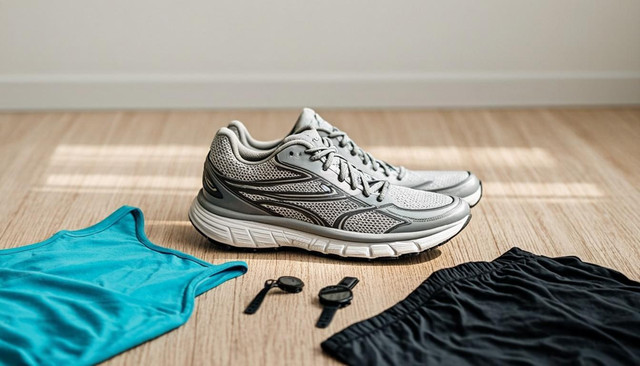
Running is the simplest sport in the world until you try to buy shoes. Walk into any running store and you will be confronted with walls of options, each promising to fix something about your form, cushion your landings, and shave seconds off your personal best. The reality is that the right running shoe for you depends mostly on one thing: how your foot strikes the ground. Get that right and most of the marketing noise falls away.
Understanding your foot strike is not as complicated as it sounds. There are three main patterns, and once you know which one you have, you can narrow your shoe search from hundreds of options to a manageable shortlist. Here is the framework.
Heel Strike: The Most Common Pattern
About 80 percent of recreational runners are heel strikers, meaning the outside of the heel hits the ground first before the foot rolls forward to push off the toe. Heel striking is not inherently bad despite what running form enthusiasts claim, but it does generate significant impact forces that travel up through the ankle, knee, and hip. The right shoe for a heel striker needs substantial cushioning in the heel to absorb that impact.
Look for shoes with a higher heel-to-toe drop (8 to 12 millimeters), which positions the heel slightly higher and encourages a more natural foot landing. Maximum cushion shoes from brands like Hoka, Brooks, and ASICS are designed with heel strikers in mind. If you are a heavier runner or run long distances, prioritize cushioning over weight savings.
Midfoot Strike: The Balanced Approach
Midfoot strikers land on the middle of the foot, with the heel and ball of the foot hitting the ground almost simultaneously. This pattern distributes impact forces more evenly than heel striking and is generally considered more efficient for longer distances. Many runners naturally adopt a midfoot strike as they increase their cadence and improve their form.
Midfoot strikers have the widest range of shoe options because they do not need the extreme heel cushioning of heel strikers nor the forefoot emphasis of toe runners. Look for shoes with a moderate heel-to-toe drop (4 to 8 millimeters) and balanced cushioning throughout. Most daily trainers from major brands work well for midfoot strikers. Pay attention to flexibility through the midfoot, since that is where the shoe bends during push-off.
Forefoot Strike and Finding Your Pattern
Forefoot strikers land on the ball of the foot first, with the heel sometimes not touching the ground at all. This pattern is common among sprinters and experienced distance runners who have worked on their form. It generates less impact force but places more load on the calf muscles and Achilles tendon, which can lead to injury if you switch to it too quickly.
Forefoot strikers should look for shoes with a lower heel-to-toe drop (0 to 4 millimeters) and good forefoot cushioning. Lightweight trainers and racing shoes often work well. To find your own pattern, look at the wear pattern on an old pair of running shoes. Heavy wear at the outside of the heel suggests heel striking. Wear concentrated under the ball of the foot suggests forefoot striking. Even wear across the foot suggests midfoot. A specialty running store can also record you on a treadmill and analyze your gait, which is the most accurate way to know for sure. Once you know your pattern, picking the right shoe becomes a much simpler task.
Home Gym Setup: The Essentials You Actually Need
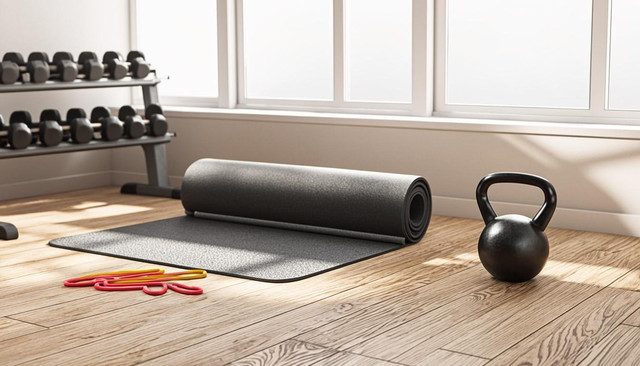
The promise of a home gym is freedom: no commute, no waiting for equipment, no monthly fees, no sharing space with strangers. The reality, for most people who try to build one, is a corner of the guest bedroom slowly filling with expensive gear that does not quite work together. The difference between a home gym that gets used and one that becomes a clothing rack comes down to buying the right things in the right order.
You do not need a full rack, a barbell, and 200 kilos of plates to get a real workout at home. For most people, a small set of carefully chosen pieces will cover 90 percent of what they need. Here is how to build a functional home gym without overspending or taking over your house.
Start With the Floor
Before any equipment, you need a decent floor surface. A good gym mat protects your floor from sweat and dropped equipment, gives you grip for bodyweight movements, and provides cushioning for floor work. A single large rubber mat or a set of interlocking foam tiles works for bodyweight training and light dumbbells. If you plan to do barbell work or drop weights, you need proper rubber gym flooring, at least 15 millimeters thick.
Do not skip this step. Working out on carpet or hardwood damages both the floor and your equipment, and it makes movements like lunges and planks uncomfortable. A dedicated mat also signals to your brain that this is a workout space, which helps with consistency.
Adjustable Dumbbells Save Space and Money
A set of adjustable dumbbells is the single highest-leverage purchase for a home gym. One pair replaces an entire rack of fixed dumbbells, taking up a fraction of the space. Modern adjustable dumbbells from brands like Bowflex, PowerBlock, and Nuo allow you to change weight in seconds, making them practical for circuit training and drop sets.
Look for a set that goes from at least 2 to 22 kilograms per hand. That range covers everything from light isolation work to fairly heavy compound lifts for most people. The trade-off is that adjustable dumbbells are slower to change than fixed ones, and they are more expensive than a few pairs of cheap fixed dumbbells. If you have space and budget, a few pairs of fixed dumbbells in your most-used weights plus an adjustable set for the rest is the ideal setup.
Add Versatility With a Few Key Accessories
Beyond dumbbells, a small set of accessories dramatically expands what you can do. A set of resistance bands handles warm-ups, mobility work, and exercises like pull-aparts and face pulls that are hard to replicate with dumbbells. A yoga mat is essential for floor work and stretching. A doorway pull-up bar gives you a pulling movement that dumbbells alone cannot easily provide.
A kettlebell in the 12 to 16 kilogram range is the final piece. Kettlebell swings, goblet squats, and Turkish get-ups are some of the most efficient full-body movements you can do at home, and a single kettlebell covers a surprising range of training. With these pieces, a mat, adjustable dumbbells, bands, a pull-up bar, and a kettlebell, you can build strength, conditioning, and mobility for years without ever setting foot in a commercial gym. Add equipment slowly as you discover what you actually use, not what you think you might use.
How to Choose a Backpack That Lasts Beyond the Hype
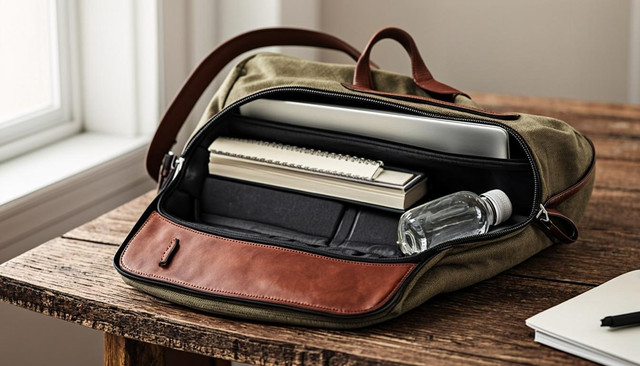
Backpacks are one of those purchases where it is easy to spend too little and end up replacing the bag every two years, or spend too much on a trendy label and end up with something that does not actually fit your life. The sweet spot is a well-made bag from a brand with a real warranty, in a design that handles how you actually carry things day to day. Here is how to find one that will still be in service a decade from now.
The backpack market has exploded in the last few years with crowdfunding campaigns and direct-to-consumer brands promising the perfect everyday carry. Most of them are fine, but only a few are genuinely built to last. The trick is knowing which features matter for durability and which are just marketing.
Material and Construction: What Actually Lasts
The two main material choices are nylon and canvas, with leather as a third option for more formal styles. For everyday use, 500D or 1000D Cordura nylon is the gold standard for durability. It resists abrasion, water, and tearing better than almost anything else. Canvas, particularly waxed canvas, develops a beautiful patina over time and is a great choice if you want a bag that ages well rather than staying pristine.
Construction matters as much as material. Look for double or triple stitching at stress points, particularly where the straps attach to the body of the bag. YKK zippers are the industry standard for a reason; avoid bags with no-name zippers. Bar tacks (those dense stitched rectangles at stress points) are a sign of a well-made bag. If you can see the inside of the bag, look for taped or bound seams rather than raw edges that will fray.
Capacity and Organization: Right-Sizing for Your Life
The most common mistake is buying a bag that is too big. A 30-liter backpack is great for a weekend trip but absurd for a daily commute. For most people, a 20-25 liter everyday backpack is the sweet spot. It holds a laptop, a change of clothes, a water bottle, and the small stuff you carry without bulging or feeling empty.
Organization is personal. Some people want a pocket for everything; others prefer a single large compartment with one or two smaller pockets for valuables. Think about how you actually use a bag. If you constantly rummage for your keys or wallet, look for a bag with quick-access pockets on the exterior. If you carry a laptop, make sure the sleeve is padded on both sides and suspended above the bottom of the bag so the laptop does not hit the floor when you set the bag down.
Comfort and Warranty: The Long-Term View
A backpack you carry for hours needs to be comfortable. Look for padded shoulder straps with a curve that matches your shoulders, a sternum strap for heavier loads, and a back panel with some structure and ventilation. The bag should sit against your upper back, not sag down to your lower back, which causes strain over time. Try the bag with weight in it before committing.
Finally, check the warranty. Brands like Patagonia, Peak Design, Tom Binh, and Osprey offer lifetime or near-lifetime warranties that cover manufacturing defects and often normal wear. A warranty is a signal that the brand expects the bag to last, and it is your insurance against the small failures that kill cheaper bags. Spend a bit more upfront for a bag backed by a real warranty, and you will save money in the long run.
Watch Buying Guide: Mechanical vs Quartz for Everyday Wear
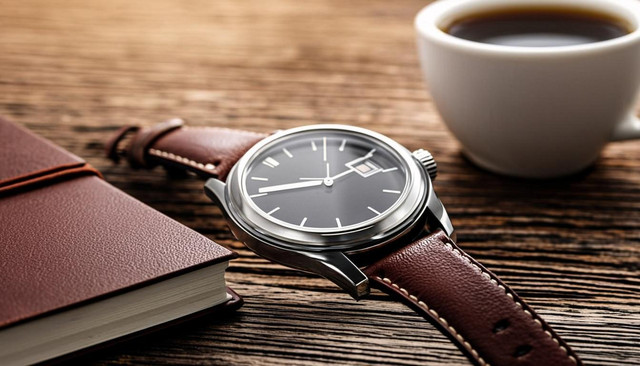
If you are shopping for your first proper watch, or upgrading from a smartwatch to something more permanent, you will quickly run into the great debate of horology: mechanical or quartz. The discussion gets heated online, but the practical answer is much simpler than forum threads make it sound. Both have real advantages, and the right choice depends entirely on what you want from a watch, not on which technology is objectively better.
Here is a practical breakdown of how mechanical and quartz watches actually differ in everyday use, what each is best at, and how to decide which one deserves a place on your wrist.
Quartz: Accurate, Affordable, and Low Maintenance
Quartz watches are powered by a battery sending electrical current through a quartz crystal, which vibrates at a precise frequency and drives the seconds hand. The result is a watch that is accurate to within a few seconds a month, costs relatively little to manufacture, and requires almost no attention from the owner beyond a battery change every couple of years.
For most people, quartz is the rational choice. A good quartz watch from a reputable brand will outperform a mechanical watch at ten times the price on every objective measure: accuracy, reliability, cost of ownership. If you want a watch you can pick up after not wearing it for three weeks and have it show the correct time, quartz is the answer. The downside is that quartz movements are less romantic, lack the craftsmanship narrative that mechanical watchmakers trade on, and typically have less resale value.
Mechanical: Craftsmanship You Can Feel
Mechanical watches are powered by a mainspring wound either by hand or by the motion of your wrist (in the case of automatics). Inside is a tiny, intricate mechanism of gears, jewels, and springs that has been refined for centuries. Mechanical watches tick several times per second, giving the seconds hand a smooth sweep rather than the one-tick-per-second of quartz.
The appeal of mechanical watches is not objective performance. It is the romance of wearing a centuries-old technology on your wrist, the appreciation of human craftsmanship, and the way a mechanical watch becomes something you maintain and pass down rather than dispose of. The trade-offs are real: mechanicals are less accurate, more expensive to service, sensitive to magnetism and shock, and will stop if not worn or wound regularly.
How to Choose for Everyday Wear
If you want one watch to wear every day, with minimal thought and maximum reliability, buy quartz. A high-quality quartz watch from brands like Grand Seiko, Cartier, or Omega will give you years of trouble-free service and look fantastic. If you want a watch that tells a story, that you will maintain and cherish, and that connects you to a tradition of mechanical craftsmanship, buy mechanical.
Many serious watch enthusiasts end up owning both. A grab-and-go quartz for busy mornings and travel, and a mechanical for evenings, weekends, and moments when you want to appreciate the watch on your wrist. There is no wrong answer here, only the answer that fits your life. Try on watches in both categories before you buy, because how a watch feels on your wrist matters more than any specification.
5 Fragrance Families and How to Find Your Signature Scent
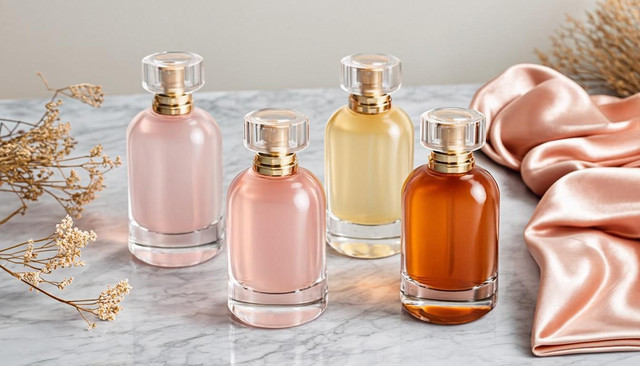
Shopping for fragrance can feel overwhelming because the vocabulary is opaque and the options are effectively infinite. Walk into any department store beauty hall and you are confronted with hundreds of bottles, each described in language that sounds more like poetry than product information. The shortcut through all of this is understanding fragrance families. Once you know the five main categories and which one you gravitate toward, the search narrows from hundreds of options to a manageable handful.
Fragrance families are simply groups of scents that share similar characteristics, usually defined by their dominant notes. Most perfumes belong primarily to one family, with secondary notes that add complexity. Here is a practical guide to the five main families, what they smell like, and how to figure out which one is yours.
Floral: The Largest and Most Diverse Family
Floral fragrances are exactly what they sound like: scents built around flowers. This is the largest fragrance family, ranging from light and breezy single-flower scents to rich, complex bouquets. Rose, jasmine, peony, and tuberose are common notes. Florals tend to be approachable and crowd-pleasing, which is why they dominate the women’s fragrance market.
If you like scents that smell like a garden, that read as feminine without being overly sweet, and that work in both casual and formal settings, floral is likely your family. Within florals, lighter interpretations like peony or freesia suit daytime, while heavier flowers like tuberose and jasmine are better for evening.
Woody: Warm, Grounded, and Modern
Woody fragrances are built around notes like sandalwood, cedar, vetiver, and patchouli. They smell warm, dry, and grounded, like a forest floor or a worn leather chair. Woody scents have become increasingly popular in the last decade as the line between traditionally masculine and feminine fragrances has blurred. They are sophisticated without being loud and tend to last well on the skin.
If you find florals too sweet or too obvious, woody fragrances are worth exploring. They work particularly well in cooler months and evening settings, though lighter interpretations like cedar and cypress can be worn year-round. Unisex woody scents are some of the most universally flattering options available.
Oriental, Fresh, and Gourmand
The remaining three families round out the spectrum. Oriental fragrances are warm, spicy, and resinous, built around notes like amber, vanilla, incense, and exotic spices. They are intense, sensual, and best suited to evening wear or colder weather. Fresh fragrances include citrus, aquatic, and green scents, the kind of things that smell like clean laundry, ocean air, or freshly cut grass. They are perfect for hot weather, gym bags, and people who do not want to smell like they are wearing perfume.
Gourmand fragrances smell edible, with notes of vanilla, caramel, chocolate, and coffee. They have become hugely popular in the last decade but can be polarizing. If you love the idea of smelling like a bakery, this is your family; if not, you will find them cloying. To find your signature scent, identify which family appeals most, then sample three or four fragrances within that family on your skin over a few days. Skin chemistry changes everything, so what smells great on a strip might be different on you. Take your time, and the right one will reveal itself.
Skincare Layering 101: The Right Order for Maximum Effect
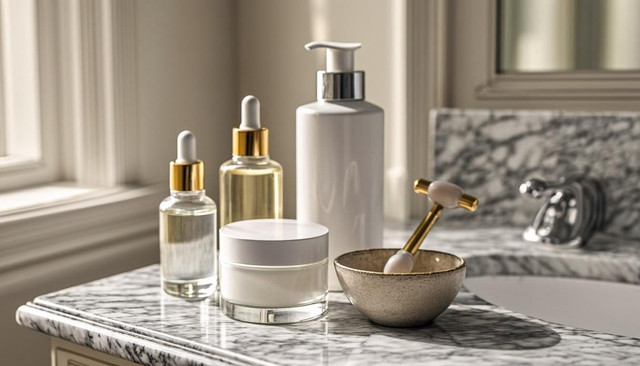
If you have ever stood in front of your bathroom counter wondering whether serum goes before or after moisturizer, you are not alone. Skincare layering is one of those topics that gets overcomplicated in marketing materials and under-explained at the beauty counter. The good news is that the logic behind it is straightforward once you understand the underlying principle: thinnest to thickest, water before oil.
Get the order right and your products will actually absorb and work the way they are supposed to. Get it wrong and you are essentially paying for expensive products that sit on top of each other doing nothing. Here is the framework that works for almost every routine, morning and night.
Step One: Cleanse and Prep
Everything starts with a clean canvas. In the morning, a gentle water-based cleanser is usually enough unless you have very oily skin. At night, double cleansing, an oil-based cleanser followed by a water-based one, is the most effective way to remove sunscreen, makeup, and the day’s accumulation of grime. Spend sixty seconds actually massaging the cleanser in; most people rinse too quickly and leave residue behind.
After cleansing, apply any water-like toners or essences. These hydrating liquids prep the skin to absorb what comes next and are especially valuable if you live in a hard-water area or have dehydrated skin. Avoid alcohol-heavy toners, which strip the skin and trigger more oil production. Look for ingredients like glycerin, hyaluronic acid, and panthenol.
Step Two: Treat With Actives
This is where serums and treatments go, applied in order from thinnest to thickest. Vitamin C serums go on in the morning because they help protect against daytime environmental damage. Exfoliating acids like glycolic or salicylic acid go on at night, ideally not every night, to avoid over-exfoliating. Retinoids also belong in your evening routine and should not be layered in the same session as acids.
If you are using multiple serums, give each one thirty seconds to absorb before applying the next. Layering them too quickly can cause pilling, where the products roll up into little balls on the skin instead of absorbing. If you are new to actives, introduce one at a time and use it for two weeks before adding another, so you can identify what is working and what is irritating your skin.
Step Three: Seal and Protect
After treatments, apply a moisturizer to seal everything in. Even oily skin needs moisturizer; skipping it just makes your skin produce more oil to compensate. Choose a gel formula for oily or combination skin, a lotion for normal skin, and a cream for dry skin. At night, you can use a slightly richer moisturizer than in the morning.
In the morning, the absolute final step is sunscreen. SPF 30 or higher, applied generously, every single day, regardless of weather or season. Sunscreen is the single most effective anti-aging product that exists, and no other product in your routine matters if you are not protecting your skin from UV damage. Apply it last, give it a minute to set, and you are good to go. Get this sequence right and your skincare will finally start delivering on its promises.
Sustainable Fashion: 7 Brands Worth a Closer Look
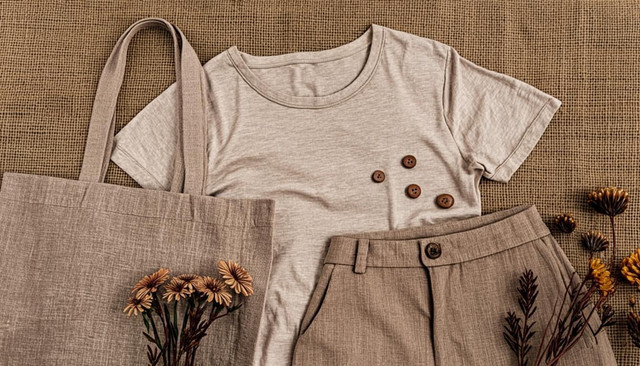
Sustainable fashion has moved well past the era of shapeless linen sacks and preachy marketing. The brands doing genuinely interesting work in 2026 are the ones treating sustainability as a design constraint rather than a marketing tag, producing clothes you actually want to wear that also happen to be made responsibly. The result is a generation of labels that proves ethical and desirable are not opposites.
Below are seven brands worth your attention this year. They are not the only ones doing good work, but each represents a different approach to the question of how clothing can be made better, whether that means materials, supply chain transparency, longevity, or repairability.
Patagonia: The Benchmark for Accountability
Patagonia has been at this for so long that it is easy to take them for granted, but they remain the brand others are measured against. Their Worn Wear repair program, transparent supply chain, and willingness to tell customers not to buy things they do not need set a standard the rest of the industry is still catching up to. If you want one brand where every purchase is defensible from an environmental standpoint, this is it.
Eileen Fisher: Built to Last and Take Back
Eileen Fisher’s renewal program takes back used garments, repairs them, and resells them at a discount. The company designs with disassembly in mind, using simple constructions and natural fibers that can be recycled or composted at end of life. The aesthetic is quietly elegant, the kind of pieces that look good for a decade rather than a season.
Veja: Sneakers With a Real Supply Chain
Veja makes sneakers using organic cotton, wild rubber from the Amazon, and fairly traded materials. The brand has become popular enough to be mainstream, but they have held the line on their supply chain commitments even as production has scaled. If you want a single pair of everyday sneakers that you can feel good about, this is a safe bet.
Pangaia: Materials Science Meets Wardrobe
Pangaia treats clothing as a materials science problem. Their pieces use innovative fibers like seaweed-based blends, recycled cotton, and bio-based nylon. The aesthetics are simple, focused on hoodies, tees, and tracksuits in a wide color palette. It is a brand for people who want their everyday basics to be at the frontier of material innovation.
Thought: Affordable Everyday Ethics
Thought (formerly Thought Clothing) is a UK brand focused on natural, organic, and recycled materials at relatively accessible price points. Their pieces lean toward comfortable, wearable silhouettes rather than statement fashion. If you are trying to build a more sustainable wardrobe on a budget, this is a good place to start.
Outerknown: Surfer Style, Real Standards
Founded by pro surfer Kelly Slater, Outerknown makes relaxed coastal-style clothing with a serious commitment to fair labor and sustainable materials. Their pieces are not cheap, but they are built to last and the brand publishes detailed information about every factory they work with. The aesthetic is casual, beachy, and easy to wear.
MUD Jeans: Denim on a Circular Model
MUD Jeans operates a lease-and-return model where you can rent a pair of jeans for a monthly fee and send them back when you are done. They recycle old jeans into new ones and publish their water and carbon footprint annually. Denim is one of the most resource-intensive categories in fashion, so brands like this doing the work on circularity are worth supporting. None of these brands are perfect, and no purchase is a substitute for buying less overall. But each one is making a genuine effort to do better, and that is worth recognizing.
How to Transition Your Wardrobe from Summer to Fall
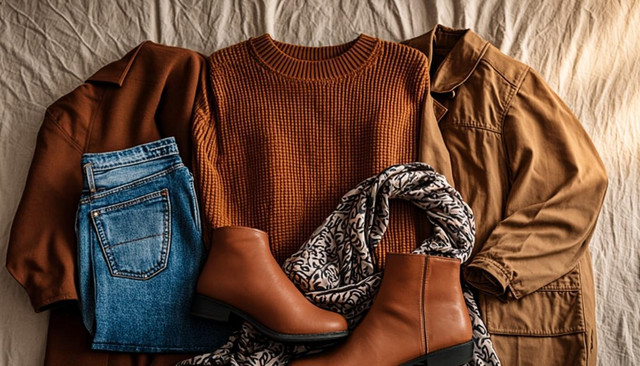
There is an awkward stretch of weather every year where it is too cool for linen dresses but too warm for wool coats, and your closet feels stuck between two seasons. The transition from summer to fall is less about buying a whole new wardrobe and more about layering what you already own in smarter ways. With a few strategic additions and a clear approach to outfits, you can dress comfortably through six weeks of unpredictable weather without giving up on style.
The trick is to think in layers rather than in seasonal categories. The same summer pieces that worked in July can keep working through October if you build the right bridge pieces around them. Here is how to approach the transition practically.
Start With Your Summer Pieces
Do not pack away your summer wardrobe the moment September arrives. Cotton dresses, lightweight blouses, and even some linen pieces can extend well into fall with the right layering. A sleeveless summer dress becomes fall-appropriate with a thin turtleneck underneath and ankle boots on your feet. A cotton blouse that felt too bare in August looks polished over a fine merino base layer in October.
The pieces to retire early are the obviously summery ones: bright white jeans, straw accessories, anything with overtly tropical prints, and shoes that show too much skin. Everything else can probably stick around for another six weeks if you layer thoughtfully.
Invest in Transitional Layering Pieces
The backbone of a fall transition wardrobe is a set of mid-weight layers that work between a t-shirt and a winter coat. A thin merino wool sweater, a fine-gauge cardigan, a lightweight quilted vest, and a chore jacket or unstructured blazer in a neutral color will all earn their keep. These pieces layer over summer tops without bulk and sit comfortably under heavier coats when the temperature drops further.
A denim or canvas jacket is another transitional hero. It is warm enough for cool mornings, light enough to carry when the afternoon warms up, and tough enough to wear as an outer layer well into November in milder climates. Choose a fit that allows for a sweater underneath, and pick a color that works with your existing wardrobe. A mid-wash denim jacket and a khaki canvas jacket are the two most versatile options.
Footwear and Accessories Shift the Mood
Changing your shoes is the fastest way to make a summer outfit feel autumnal. Swap sandals for ankle boots, loafers, or clean white sneakers, and suddenly the same dress or jeans you wore in July looks appropriate for October. Closed-toe shoes also handle morning dew and unexpected rain better than summer options, which is practical as much as stylistic.
Accessories do similar work. A lightweight scarf in a fall color like rust, olive, or mustard adds warmth and seasonal flavor without committing to a full winter accessory. Swap your straw tote for a leather one. Add a thin pair of tights under dresses you would otherwise retire. None of these changes are dramatic on their own, but together they shift the entire feel of your wardrobe toward fall without requiring a single shopping spree.
Capsule Wardrobe Essentials Every Woman Should Own in 2026
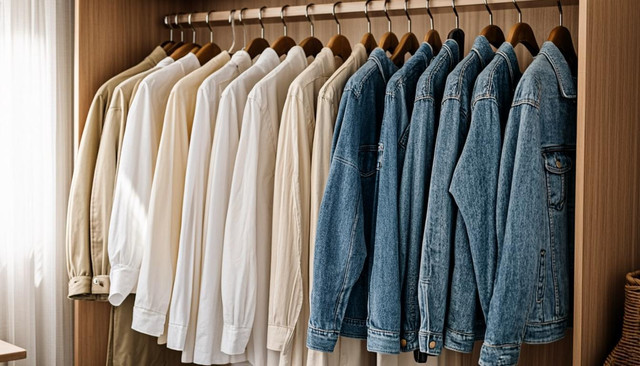
The appeal of a capsule wardrobe is not really about minimalism as an aesthetic. It is about walking into your closet every morning and knowing that whatever you pull out will work together. No more standing in front of a rack of clothes and feeling like you have nothing to wear. A capsule wardrobe buys you time, mental energy, and surprisingly, more personal style rather than less.
The framework is simple: a small set of well-chosen, neutral essentials that mix and match effortlessly, layered with a few personality pieces that reflect your taste. Below is the 2026 edition of the essentials list, updated for how women actually dress now, with comfortable fabrics, versatile silhouettes, and pieces that transition smoothly from work to weekend.
The Foundation: Tops and Layers
Start with three to four well-fitted tops in neutral colors. A crisp white cotton shirt, a softer ivory silk or viscose blouse, a fitted black tee, and a Breton-style striped long-sleeve will cover most situations. These four pieces can be dressed up with tailoring or dressed down with denim, and they all layer cleanly under sweaters and jackets.
For layers, invest in a fine-gauge merino sweater in camel or oatmeal, a structured blazer in navy or black, and a relaxed cardigan in gray or cream. Merino is the unsung hero of capsule wardrobes because it works in three seasons, packs without wrinkling, and looks polished enough for most offices. The blazer instantly elevates anything you wear it with, and the cardigan adds the softness that makes outfits feel lived-in rather than stiff.
Bottoms That Earn Their Place
A capsule wardrobe needs three core bottoms: a pair of well-cut straight-leg jeans in a mid-blue wash, tailored trousers in navy or charcoal, and a versatile skirt or pair of trousers in a third neutral like olive, cream, or burgundy. The jeans handle weekends and casual Fridays. The trousers handle meetings and dinners. The third piece adds variety without complicating the color palette.
Fit matters more than brand. A pair of jeans that hits your waist correctly and breaks at the right point on your ankle will always look better than the trendiest cut that does not flatter your body. Take the time to get trousers hemmed. The small tailoring cost transforms how they look and how often you reach for them.
The Power Pieces: Outerwear and Accessories
Outerwear is where a capsule wardrobe gets its character. A trench coat in a classic tan, a wool overcoat in camel or charcoal, and a leather or suede jacket in brown or black will cover almost any weather and occasion. These are the pieces people see first, so they are worth investing in. Quality outerwear lasts decades if cared for, and it pulls even the simplest outfit together.
Finish with a few accessories: a structured leather tote in tan or black, a smaller crossbody for evenings, a silk scarf in a color you love, and a pair of leather ankle boots that work with both jeans and trousers. The scarf is where you can introduce pattern and personality without committing to a louder wardrobe. With these essentials in place, you can build weeks of outfits without repeating, and every morning becomes a little easier.