
Posted on Leave a comment

The Quiet Power of Layered Lighting in Modern Living Rooms

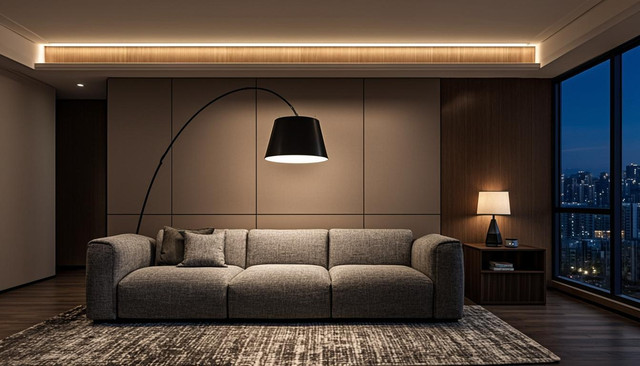
Walk into a beautifully designed living room and you will probably notice the furniture, the art, maybe the rug. What you are unlikely to consciously notice is the lighting, and that is exactly the point. Good lighting in a living room does not announce itself. It shapes how the space feels, supports whatever you are doing, and quietly makes everything else look better. The secret is layering.

Layered lighting is the practice of combining three distinct types of light, ambient, task, and accent, in a single room. Each layer does a specific job, and together they give you the flexibility to change the entire mood of the room with a switch. Once you understand the framework, you can transform almost any living room without buying new furniture or repainting a single wall.

Ambient Light Sets the Foundation

Ambient light is the overall illumination of a room, the base layer that lets you see where you are walking and avoid bumping into furniture. In most living rooms, this comes from a ceiling fixture or recessed lights. The problem is that ambient light alone is flat and unflattering. It eliminates shadows, which is great for safety but terrible for atmosphere.

If your living room currently relies on a single overhead light, the easiest upgrade is to put that light on a dimmer. Being able to dial down the ambient layer immediately creates evening flexibility. The next step is to choose a fixture that throws light in interesting directions rather than blasting straight down. A pendant with an open top, a shaded chandelier, or recessed lights with wall-wash trims all soften the ambient layer in different ways.

Task Light for What You Actually Do

Task lighting is exactly what it sounds like: focused light for specific activities. In a living room, that usually means a floor lamp next to the reading chair, a table lamp on the side table where you do puzzles or scroll on a tablet, or a swing-arm lamp above the couch for late-night reading. The goal is to have light where your hands and eyes are working, without lighting up the whole room.

Position task lights to the side of where you sit rather than directly overhead. That eliminates shadows on your book or screen and reduces glare. If you have a favorite reading spot, that spot should have its own dedicated light source. Treat task lighting as personal and specific rather than as part of the room’s overall illumination.

Accent Light Adds Depth and Drama

Accent lighting is the layer most people skip, and it is the one that makes a room feel finished. This is the light that highlights a piece of art, washes a textured wall, or uplights a plant. Picture lights, track lights aimed at a bookshelf, small uplights tucked behind a sofa, and even candles all count as accent light. The point is to create visual interest by selectively illuminating some things and leaving others in shadow.

You do not need many accent lights to make a difference. Two or three well-placed sources, a picture light over a framed print, a small uplight behind a fiddle leaf fig, and a warm table lamp on a console, will completely change how the room reads in the evening. Layer that on top of dimmed ambient light and a focused task light, and you have a living room that feels intentional at any hour.
Posted on Leave a comment

How to Build a Cozy Reading Nook Without Breaking the Bank

There is something deeply restorative about having a dedicated spot in your home that exists only for reading. Not a desk, not the couch where you also watch TV and eat dinner, but a proper nook that signals to your brain it is time to slow down. The good news is that you do not need a bay window, an interior designer, or a serious budget to create one. You need a corner, a comfortable seat, and the right light.

The best reading nooks feel like a small retreat rather than a styled photo opportunity. That comes less from spending money and more from making deliberate choices about location, seating, and lighting. Here is how to build one that you will actually use.

Pick the Right Corner

The location of your reading nook matters more than anything else. You want somewhere naturally quiet, away from the main traffic flow of your home, with access to natural light during the day. A bedroom corner, the end of a hallway, or the space under a window all work well. Avoid high-traffic spots like the corner of the living room near the kitchen, where you will be constantly interrupted.

If you do not have an obvious corner, you can create one with a bookshelf placed perpendicular to a wall. That gives you a sense of enclosure without building anything permanent. The psychological effect of having a defined reading space, even a small one, is surprisingly powerful.

Comfortable Seating Is Non-Negotiable

This is the one place to spend money if you can. A reading nook you cannot sit in for more than twenty minutes is not really a reading nook. An armchair with good lumbar support is the classic choice, but a chaise lounge, a wide floor cushion, or even a generously sized window seat cushion all work. The key is that you can settle in for an hour without shifting constantly.

If you are on a tight budget, consider second-hand armchairs. A solid wood frame and decent foam can be reupholstered or refreshed with a washable cover for a fraction of the cost of a new chair. Add a small side table or stool at the right height to hold a cup of tea and your current book, and you have the functional core of the nook sorted.

Layer Light for Different Times of Day

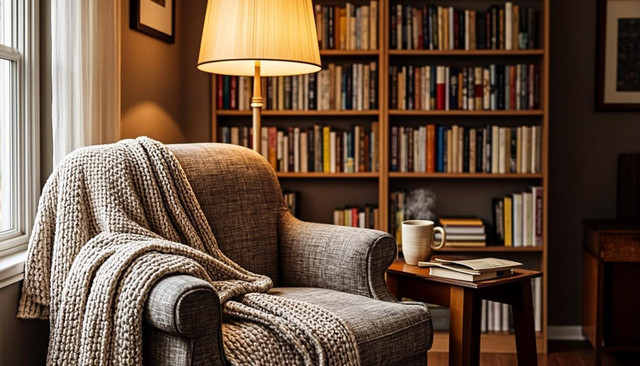
Lighting is what takes a reading nook from functional to genuinely cozy. Aim for at least two sources: a soft ambient light for the overall space, and a dedicated reading light aimed at the page. A warm-toned floor lamp behind or beside the chair is ideal, with a bulb around 2700K to 3000K for that amber, relaxing quality. If you read at night, add a small clip-on light or a side lamp with a directional shade so you can illuminate the book without lighting up the whole room.

Finish with textiles: a soft throw blanket over the arm of the chair, a cushion or two for back support, and a small rug to anchor the space visually. None of these need to be expensive, but together they transform a chair in a corner into a proper nook. Add a stack of books on the side table and you have a spot you will gravitate toward every evening.

Posted on Leave a comment

Small Apartment Hacks: Multi-functional Furniture That Saves Space

Living in a small apartment is a masterclass in editing. Every piece of furniture has to earn its place, and the best way to make a tight space feel generous is to choose items that do more than one job. Multi-functional furniture is not a new idea, but the category has evolved well beyond the clunky sofa beds and folding tables of a decade ago. Today’s designs are smarter, better looking, and genuinely pleasant to live with every day.

The goal is not to cram as much function as possible into a single piece. It is to remove the friction between activities so a single room can flow from workspace to dining area to guest bedroom without feeling like a Transformer mid-morph. Here are the pieces worth investing in and how to think about them.

The Sofa Bed Has Grown Up

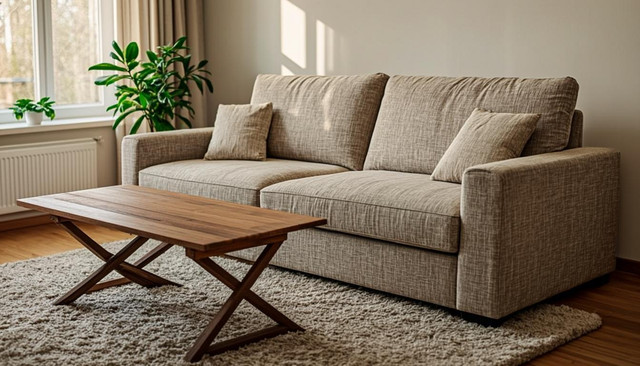
Sofa beds used to be a compromise in both directions: uncomfortable to sit on and worse to sleep on. The current generation is a different story. Look for designs with pocket-sprung seat cushions that convert into a real mattress, ideally with storage underneath for the bedding. Modern mechanisms like click-clack or pull-out styles are smooth enough to operate solo, and the best models look indistinguishable from a regular sofa when not in use.

Pay attention to the mattress thickness. Anything under 10 centimeters will feel like a camping mat. Memory foam or pocket spring options at 12 centimeters and above are genuinely comfortable for a week-long guest stay. If you host frequently, treat the sofa bed as a real bed when shopping and you will not regret it.

Drop-Leaf and Extending Tables

A dining table that seats two for everyday meals but extends to seat six for dinner parties is one of the highest-leverage purchases you can make in a small apartment. Wall-mounted drop-leaf tables are perfect for kitchens where floor space is at a premium, and they can double as a desk during the day. Extending dining tables with hidden leaves offer a more traditional look while still collapsing to a compact footprint when not needed.

The key is to measure your space twice before buying. A table that extends to seat six needs to leave enough room for chairs to pull out and for people to walk behind them. If you cannot fit a full extending table, consider a nesting set of two or three smaller tables that can be distributed around the room when needed and stacked together when not.

Storage That Doubles as Seating

Ottomans and benches with lift-up lids are the unsung heroes of small-space living. They hide throw blankets, out-of-season clothing, board games, and all the miscellaneous stuff that tends to accumulate on surfaces. In the living room, a storage ottoman doubles as a coffee table (with a tray on top) and extra seating for guests. In the entryway, a storage bench keeps shoes out of sight and gives you a place to sit while putting them on.

Look for pieces with soft-close hinges and a lid that stays open on its own, both of which make daily use much more pleasant. The best multi-functional furniture does not announce itself as clever. It just quietly solves problems you forgot you had, and that is exactly what a small apartment needs.