

Posted on Leave a comment

How to Choose a Laptop That Won’t Slow You Down

Buying a laptop in 2026 is simultaneously easier and harder than ever. Easier because almost any mid-range machine will handle everyday tasks without breaking a sweat. Harder because the marketing around AI features, neural processing units, and refresh-rate arms races has made it tough to separate what actually matters from what looks good on a spec sheet. The goal of this guide is simple: help you pick a laptop that will still feel fast three years from now.

The trick is to think about how you actually use a computer, not how the marketing materials imagine you do. Most people do not need a workstation. They need something with enough headroom that opening twenty browser tabs alongside a video call does not turn into a slideshow. Here is how to figure out where you fall on the spectrum and what to prioritize.

Processor: Aim One Tier Above Minimum

Modern laptop processors from both Apple and the major Windows chipmakers are genuinely excellent, and the gap between mid-range and flagship is smaller than it used to be. For productivity work (browsers, office apps, video calls, light photo editing), a current-generation mid-tier chip is more than enough. The mistake people make is buying the absolute cheapest option, which often uses an older or lower-binned chip that ages badly.

A practical rule: spend enough to get a processor that is one or two tiers above the entry-level model. That gives you headroom for software bloat, OS updates, and the inevitable moment you decide to try video editing on a whim. Look for chips with at least 8 performance cores if you can, and pay attention to sustained performance rather than just burst benchmarks.

Memory Is the Cheapest Form of Future-Proofing

If there is one spec where it is worth spending a little extra, it is RAM. 8GB is the absolute floor in 2026, and even that will feel tight on Windows within a year or two. 16GB is the sweet spot for most users, giving you room to keep dozens of tabs open, run a few productivity apps simultaneously, and not worry about background processes stealing memory from your active work.

If you plan to keep the laptop for four or more years, consider 32GB. Memory is not something you can easily upgrade later on most modern laptops, so buying more upfront is almost always cheaper than replacing the machine early. The same logic applies to storage: 512GB is the realistic minimum, but 1TB gives you breathing room for photos, video, and applications that seem to grow larger every year.

Screen and Battery: The Daily Experience

A laptop can have the fastest processor in the world and still feel miserable if the screen is dim or the battery dies by lunch. Look for at least 400 nits of brightness if you ever work near a window or outside, and prioritize color accuracy if you do any creative work. A 16:10 aspect ratio is more comfortable for documents and browsing than the older 16:9, and high refresh rates (90Hz or above) make everything from scrolling to cursor movement feel smoother.

Battery life claims on spec sheets are best-case scenarios, so read real-world reviews. A laptop that delivers eight hours of mixed use is genuinely good in 2026. Anything less than six is a dealbreaker for a machine you will carry around. With those priorities in mind, processor, memory, screen, and battery, you can confidently ignore most of the rest of the spec sheet and pick a laptop that will keep up with you for years.
Posted on Leave a comment

Smart Home Hubs Worth the Investment in 2026

If you have been slowly accumulating smart bulbs, plugs, cameras, and speakers over the past few years, you have probably hit the same wall everyone eventually hits: too many apps, too many ecosystems, and a growing suspicion that none of your devices actually talk to each other. That is exactly the problem a smart home hub is designed to solve. In 2026, the hub landscape has matured to the point where one well-chosen device can genuinely unify your home rather than just adding another icon to your phone.

The case for a hub comes down to three things: local control so your lights still work when the internet drops, automation routines that span multiple brands, and a single pane of glass for monitoring everything. Whether you are just starting your smart home journey or trying to consolidate an existing mess, here is what to look for and which direction the market is heading.

Matter and Thread Have Changed the Game

The biggest shift in the last two years has been the broad adoption of Matter, the universal smart home standard backed by Apple, Google, Amazon, and Samsung. Matter means a device certified by one brand works with all of them, no bridge required. Thread is the low-power mesh networking protocol that ships alongside Matter, giving battery-powered sensors and smart locks a more reliable connection than older Wi-Fi or Bluetooth setups.

Practically, this means a hub with a Thread border router built in can manage a growing ecosystem of door sensors, motion detectors, and smart bulbs without overwhelming your Wi-Fi. If you are buying a hub in 2026, Matter support and a Thread radio should be on your must-have list. Anything else is a stopgap.

Voice Assistant or Local Hub?

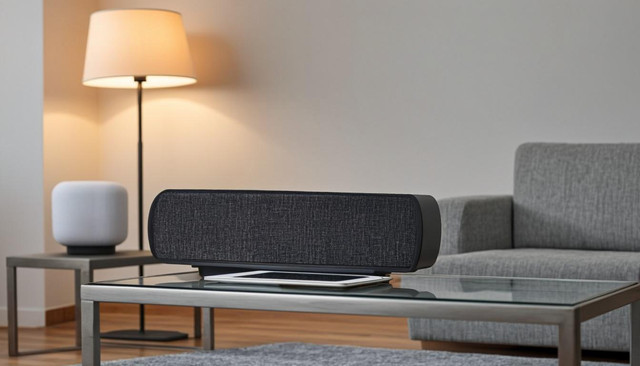
Smart speakers like the latest Echo and Nest Hub are the easiest entry point because they bundle voice control with a Matter controller. They are affordable, easy to set up, and work well if your automation needs are simple. The trade-off is that they rely heavily on the cloud, so an internet outage can take your routines offline.

Local-first hubs like Home Assistant running on a small server or a dedicated device like Homey or Hubitat take more effort to set up but offer rock-solid reliability, advanced automations, and full control over your data. If you enjoy tinkering and want your smart home to keep working through any connectivity hiccup, this is the path. Many enthusiasts end up running both: a voice assistant for casual commands and a local hub for the heavy lifting.

What to Actually Buy in 2026

For most people, a mid-tier smart display from Amazon or Google is the right starting point. It handles voice commands, controls Matter devices out of the box, and doubles as a kitchen companion or digital photo frame. Add a Thread border router (often built into newer Echo and Nest devices) and you have a future-proof foundation that can grow with you.

If you have outgrown the basics, look at Homey Pro for a polished all-in-one local hub, or build your own with Home Assistant on a mini PC. The investment of time pays off quickly when you start automating scenes that span lighting, music, climate, and security across brands that would otherwise never coordinate. Whichever path you choose, the goal is the same: fewer apps, fewer frustrations, and a home that quietly works the way you want it to.

Posted on Leave a comment

Wireless Earbuds That Actually Stay in During Workouts

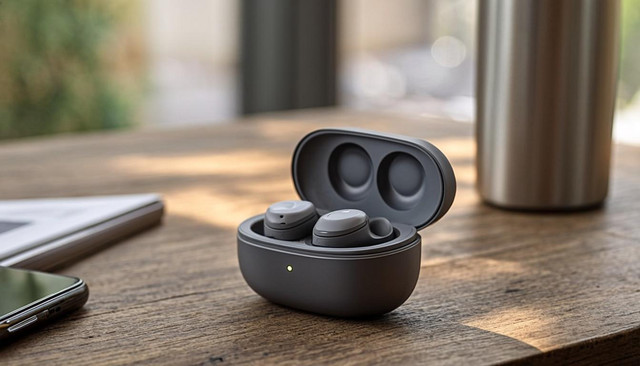
There is a special kind of frustration reserved for the moment your wireless earbud pops out mid-burpee, skitters across the gym floor, and disappears under a treadmill. We have all been there, and most of us have learned the hard way that not every pair of wireless earbuds is built for movement. The good news is that the latest generation of sport-focused buds has gotten genuinely good at staying put, sounding great, and surviving the sweat that comes with a serious session.

The secret sauce usually comes down to three things: a secure physical fit, some form of active noise cancellation, and an IPX rating that means they can handle humidity. Once you tick those boxes, you can stop thinking about your earbuds and start thinking about your workout. Below we walk through what actually matters when you are shopping for workout earbuds in 2026, and which features are worth paying for versus marketing fluff.

Why Fit Matters More Than Sound Specs

Audiophile frequency response curves are lovely on paper, but none of that matters if your earbuds are sliding around while you run. For workouts, prioritize fit mechanisms first. Over-ear hooks are the most secure for high-impact activities like HIIT and trail running, while wing tips (those little rubber loops that tuck into the cartilage of your ear) are a great middle ground for the gym and studio classes. True in-ear designs with multiple silicone tip sizes work well for cycling and steady-state cardio, but they can come loose during plyometrics.

Try before you buy when possible. Many retailers now offer extended return windows specifically for earbuds, recognizing that fit is deeply personal. If you are buying online, look for brands that ship with at least three tip sizes and a couple of wing options in the box. The right combination should let you shake your head vigorously without feeling any movement.

Sweat Resistance Is Non-Negotiable

An IPX4 rating is the bare minimum for workout earbuds, meaning they can handle splashing water from any direction. For hot yoga, outdoor running in the rain, or particularly sweaty lifters, look for IPX5 or IPX7. The difference matters because sweat is corrosive over time, and a pair of buds that dies after six months of regular training is not a bargain at any price.

Pay attention to the warranty terms too. Some brands explicitly exclude sweat damage from their coverage, which is a red flag for a product marketed at athletes. The best sport earbuds back up their IP rating with a warranty that acknowledges how you will actually use them.

Smart Features That Earn Their Keep

Active noise cancellation (ANC) is the headline feature on most premium earbuds now, and it is genuinely transformative for gym sessions where background music and chatter can derail your focus. Look for a transparency mode too, since you will want to hear traffic on outdoor runs and instructions in studio classes. Touch controls that work through sweaty fingers are another underrated feature, as is multipoint pairing so you can switch between your phone and laptop without re-pairing.

Battery life has stabilized around six to eight hours per charge for the buds themselves, with the case providing two to three additional full charges. That is plenty for most training schedules. Fast charging, which gives you an hour of playback from a five-minute charge, is the feature you will appreciate most when you forget to plug in after a session.

At the end of the day, the best workout earbuds are the ones you forget you are wearing. Pick a pair that fits your training style, check the sweat rating, and do not overpay for features you will not use. Your future self, mid-workout, will thank you.